The Weight of the Decision
By Vicky McKenna

WHAT RETAIL TAUGHT ME ABOUT BUSINESS – POST 4 OF 4
Before I became a Regional Director for Get Ahead, I spent years as a Buying Director for major UK retailers including Ryman and Signet. This series isn’t a career retrospective. It’s about the skills, instincts, and lessons from that world that still shape how I work today, and why they matter for the business owners I support.
There’s a particular feeling I remember from the end of a range sign-off meeting.
The decisions have been made. The spreadsheets are updated. The suppliers have been briefed. And then, in the quiet after the meeting, comes the weight of it. The awareness that those decisions will show up on shop floors across the country in a few months’ time. That customers will engage with them, or they won’t. That the business will make money from them, or it won’t. That your judgment was sound, or it wasn’t.
No one talks about that feeling very much in a corporate buying environment. The culture tends to reward confidence and forward momentum. But the weight is always there, underneath. And over time, I came to think of it not as a burden but as information. A signal that the decisions mattered. That the accountability was real.
What high-stakes decision-making actually feels like
InSenior buying roles involve a particular kind of pressure that’s hard to describe to someone who hasn’t experienced it. You’re making decisions that will affect stock levels across hundreds of stores, supplier relationships, hundreds of thousands of pounds of investment, and ultimately the trading performance of categories that the business depends on. You’re doing this with incomplete information, under time pressure, often in the face of conflicting signals from the market.
The decisions themselves are rarely straightforward. The data gives you part of the picture. Your instinct gives you another part. The brief you’ve established, the relationships you’ve built, the context you’ve accumulated over years in a sector, all of that feeds into a judgment call that is, ultimately, yours to make.
You get better at it. But you never stop feeling the weight of it. And I think that’s right. The moment a decision stops feeling weighty is probably the moment you’ve stopped taking it seriously enough.
Why that experience changes how I listen
When a business owner sits down with me and starts to describe what’s going on in their business, I notice things that I’m not sure I would have noticed without those years in buying roles.
I notice when someone is carrying more than they’re saying. The slight tension in how they describe a situation that they’re framing as manageable. The decisions they mention in passing that are clearly not small at all. The gap between how things look from the outside and how they’re actually feeling from the inside.
Running a growing business involves a version of the same pressure I experienced in senior buying roles: high-stakes decisions, incomplete information, real accountability, and often very few people around you who truly understand the weight of what you’re carrying. The specifics are different. The texture of it is remarkably similar.
When you’ve sat in rooms making decisions that affect entire product ranges and entire teams, you understand what business owners are carrying. That’s not something you read about. It’s something you feel.
That recognition matters, I think, in the conversations I have with clients. Not because I want to project my own experience onto theirs, every business is different, and every business owner’s situation is specific to them. But because having genuinely experienced that kind of pressure means I don’t underestimate it. I don’t treat the mental load of running a business as a side issue or a lifestyle complaint. It’s a real thing, with real consequences, that deserves a real response.
The difference between support that completes tasks and support that eases the load
There’s a version of business support that is essentially transactional. Tasks come in, tasks go out. The diary gets managed, the inbox gets sorted, the social media gets scheduled. Everything on the list gets done. And the business owner is still, somehow, exhausted at the end of the week.
That’s not because the support wasn’t competent. It’s because the support was addressing the visible surface of the problem rather than the underlying one. The tasks were getting done, but the mental load wasn’t shifting. The decisions were still all sitting with one person. The weight hadn’t moved.
Good support does something different. It doesn’t just take tasks off a list. It takes decisions off a desk. A Virtual Expert who truly understands a business can start to carry some of the cognitive weight of running it: anticipating what’s needed before being asked, flagging things that need attention, making judgment calls within their area of responsibility so the business owner doesn’t have to make every one themselves.
That shift, from task completion to genuine decision support, is where business support becomes genuinely valuable. It requires a level of trust that takes time to build. But when it’s there, the difference is significant, not just in what gets done, but in how the business owner feels at the end of the week.
On asking for help
One of the things I noticed in corporate buying environments is how rarely people asked for help openly. The culture rewarded self-sufficiency, confidence, the appearance of having everything under control. Asking for support felt like admitting a gap, which felt like weakness, which felt like professional risk.
It took me a while to understand that the opposite is true. The most commercially effective people I’ve worked with have been the ones who are clearest about what they know and what they don’t, about where they need input and where they can run independently. That clarity isn’t weakness. It’s good judgment about how to deploy limited resources, including your own energy and attention, for maximum effect.
For business owners, I think the same reframe is worth making. Bringing in support isn’t a sign that the business is struggling. It’s a sign that the business is being run well. It’s the decision to direct your energy toward the things only you can do, and to trust capable people with the things they can do better or faster than you.
That’s not giving something up. It’s making a smart call about where the real value of your time lies.
WHY THIS MATTERS NOW
A word on AI, since it’s increasingly part of the conversation about how businesses reduce the pressure of decision-making. Used well, it genuinely helps: better information, faster analysis, more options surfaced more quickly. I use it myself and I think the businesses that learn to work with it thoughtfully will have a real advantage.
But it doesn’t carry the weight. It doesn’t feel the accountability. And it can’t make the judgment calls that depend on context, relationship, and the kind of accumulated experience that comes from years of getting decisions right and wrong.
The decisions that matter most in a growing business, the ones about people, direction, investment, trust, still need a human in the room. Someone who understands what’s at stake, who will sit with the discomfort of uncertainty, and who will own the outcome. AI can support that person. It can’t replace them.
Which is, in its own way, an argument for exactly the kind of support this series has been exploring: the right people, chosen carefully, trusted over time.
A Final Thought
Retail taught me that the weight of a decision is proportional to what’s at stake. And what’s at stake, when you’re running a business you’ve built, is considerable.
The business owners I work with are carrying real responsibility. Real pressure. Real accountability. Not to a line manager or a trading director, but to themselves, to the people who work with them, and to the clients who depend on them.
That deserves to be taken seriously. And the right support, brought in at the right time, is one of the most practical and most honest responses to it.
Not because you can’t manage alone. But because you don’t have to.
If you’re carrying more than you should be, and you’d like to explore what the right support could look like for your business, I’d love to have that conversation.
I’m Vicky McKenna, Regional Director for Get Ahead in Oxfordshire.
Next in the series: Knowing When Something Doesn’t Fit.
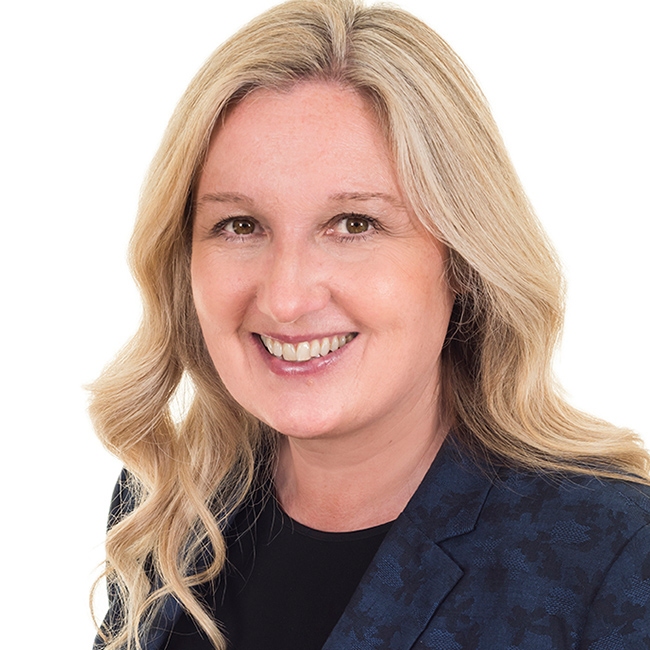
Regional Director for Get Ahead in Oxfordshire. Former Buying Director for major UK retailers and founder of a social media agency specialising in Pinterest for business. Vicky works with SME owners to find the right support for their business, and writes about the commercial realities of social media, outsourced expertise, and growing a business without burning out.
What Retail Taught Me About Business
What a career in retail buying taught Vicky McKenna about business, and why those lessons matter more than ever.
- The Art of the Brief
- Relationships are the Real Margin
- Knowing when Something doesn’t fit
- The Weight of the Decision