Is Social Media Worth It for Your Business? Part 3: TikTok
By Vicky McKenna

Before I became a Regional Director for Get Ahead, I spent years as a Buying Director for major UK retailers — and then ran my own social media agency, with a specialism in Pinterest for business. I’ve used these platforms commercially. I’ve seen what works, what doesn’t, and what’s simply not worth a busy business owner’s time. This series is my honest perspective on each one. No strategy guides. No content calendars. Just a straight answer to the question you’re probably already asking.
Is TikTok Worth It for Your Business?
TikTok is the platform that creates the most anxiety for the business owners I speak to.
Not frustration, like Facebook. Not confusion, like X. Actual anxiety. A nagging sense that something important is happening there, that businesses are building audiences and finding customers, and that by not being on it they’re falling behind in a race they don’t fully understand.
I want to address that anxiety directly – because some of it is justified, and some of it isn’t, and knowing which is which could save you a significant amount of time and energy.
What TikTok actually is – and why the algorithm is different
TikTok is a short-form video platform, but the thing that makes it genuinely distinct from every other major social channel is its algorithm. On Instagram or Facebook, your content is shown primarily to people who already follow you, with organic reach declining as your audience grows unless you pay to extend it. On TikTok, the algorithm doesn’t work that way.
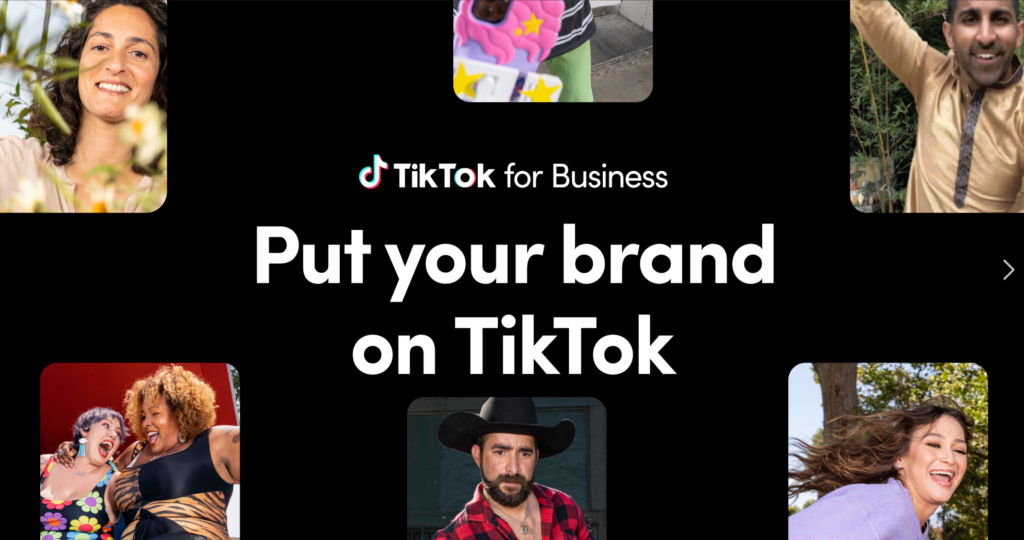
TikTok’s For You Page surfaces content based on what it thinks each individual user will engage with – regardless of whether they follow the creator. A brand new account with zero followers can post a video today and have it reach tens of thousands of people by tomorrow, if the content resonates. That’s not theoretical – it genuinely happens, and it’s unlike anything else available to small businesses at no cost.
What that means for SMEs is simple: The playing field is flatter than on any other major platform. You don’t need a large existing following to get reach. What you need is content that works – and that’s where the conversation gets more complicated.
What TikTok actually requires from you
In practice, this is often the point where business owners realise whether it’s a fit for them or not.
TikTok is a video-first, high-frequency, native-feeling platform. The content that performs is not polished corporate video. It’s not a produced brand film. It’s not a graphic with text overlaid. It’s raw, direct, human, and – crucially – it looks and feels like TikTok. Audiences on the platform are extraordinarily good at identifying content that doesn’t belong there, and they scroll past it without a second thought.
To do TikTok properly, you need to be willing to appear on camera, regularly, in a way that feels natural rather than staged. You need to post frequently – the accounts that build audiences typically post daily or near-daily, at least in the early stages. And you need to spend enough time on the platform yourself to understand what native content looks and feels like in your category.
TikTok is the platform that rewards you for showing up as yourself.
The businesses that do well there aren’t the most polished. They’re the most consistent and the most human.
For some business owners, that description sounds energising. They’re already comfortable on camera, already have things to say, and enjoy the informal register the platform rewards. For others, it sounds like a significant ask on top of an already full working week. Both responses are completely valid – and both are useful information about whether TikTok is the right channel for your business right now.
TikTok isn’t difficult because it’s technical – it’s difficult because it’s personal.
The businesses finding real traction on TikTok
Looking at the SMEs that have built genuine, commercially valuable presences on TikTok, a few patterns emerge consistently.
They tend to be businesses where the owner or a key team member is the face of the brand – and is comfortable being that face on camera, consistently, without it feeling like a performance. A sole trader who is their business. A founder with a clear point of view. A specialist who can demonstrate their expertise visually and talk about what they do in a way that’s engaging rather than functional.
The sectors that seem to convert most effectively include food and hospitality, beauty and aesthetics, fitness and wellness, creative trades (interiors, floristry, craft), and certain retail businesses with strong visual products. What they share is that the work itself is watchable – there’s something to show, not just something to say.
B2B businesses and professional services can find an audience on TikTok – there is a growing community of business owners using the platform – but the bar for content quality and consistency is the same, and the conversion path from TikTok viewer to professional services client is longer and less direct than in consumer categories.
The regulatory uncertainty – worth factoring in
It’s also worth being aware of the wider conversation around TikTok. There have been ongoing concerns in several Western governments about TikTok’s data practices and its ownership by a Chinese parent company. The US came close to banning the platform entirely. The UK government has restricted TikTok on government devices.
None of this means TikTok is going away tomorrow. But it does mean that a business investing significant time and resource into building a TikTok presence is doing so on a platform with more structural uncertainty than any of the others in this series. That’s not a reason to avoid it – but it’s a reason to think carefully about how much of your content strategy you want to depend on it, and whether you’re repurposing that content across other channels as you go.
The honest question to ask yourself
Before you decide whether TikTok deserves your time, the question to sit with isn’t ‘should my business be on TikTok?’ It’s: ‘Am I – or is someone in my team – genuinely willing to show up on camera, consistently, in a way that feels natural?’
If the answer is yes, and your audience skews under 40, and you have something visually demonstrable to show – TikTok deserves serious consideration. The opportunity is real.
If the honest answer is that you’ll post three videos, feel uncomfortable, and let the account go quiet – it’s better to know that now than after you’ve invested the time. A dormant TikTok account doesn’t just underperform – it sends a signal about your business that you probably didn’t intend.
A final thought
TikTok is a genuine opportunity – for the right business, with the right approach.
But it asks more of you than most platforms. More consistency, more visibility, more willingness to be human on camera in a way that can’t be automated or outsourced.
If you’re willing to meet those requirements, it can work. If you’re not – and there’s no shame in that – your time is probably better invested in channels where you’ll actually show up. The question isn’t whether TikTok is worth it in the abstract. It’s whether it’s worth it for you, right now, given everything else your business needs from you.
Working out which platforms deserve your time – and which are quietly draining it – is one of the conversations I have most often with business owners in Oxfordshire. If you’d find it useful to talk it through, I’m always happy to.
I’m Vicky McKenna, Regional Director for Get Ahead in Oxfordshire.
If you’d like a conversation about where your business should be showing up, I’d love to hear from you – please get in touch via vicky@getaheadva.com.
Next in the series: Is X (or Threads) Worth It for Your Business?
If you missed Part 1 of this series discussing Facebook, you can find it here. And Part 2 – on Pinterest – is here.

Regional Director for Get Ahead in Oxfordshire. Former Buying Director for major UK retailers and founder of a social media agency specialising in Pinterest for business. Vicky works with SME owners to find the right support for their business, and writes about the commercial realities of social media, outsourced expertise, and growing a business without burning out.