10 unusual ideas for a wedding business (no city takeover required)
By Get Ahead Team
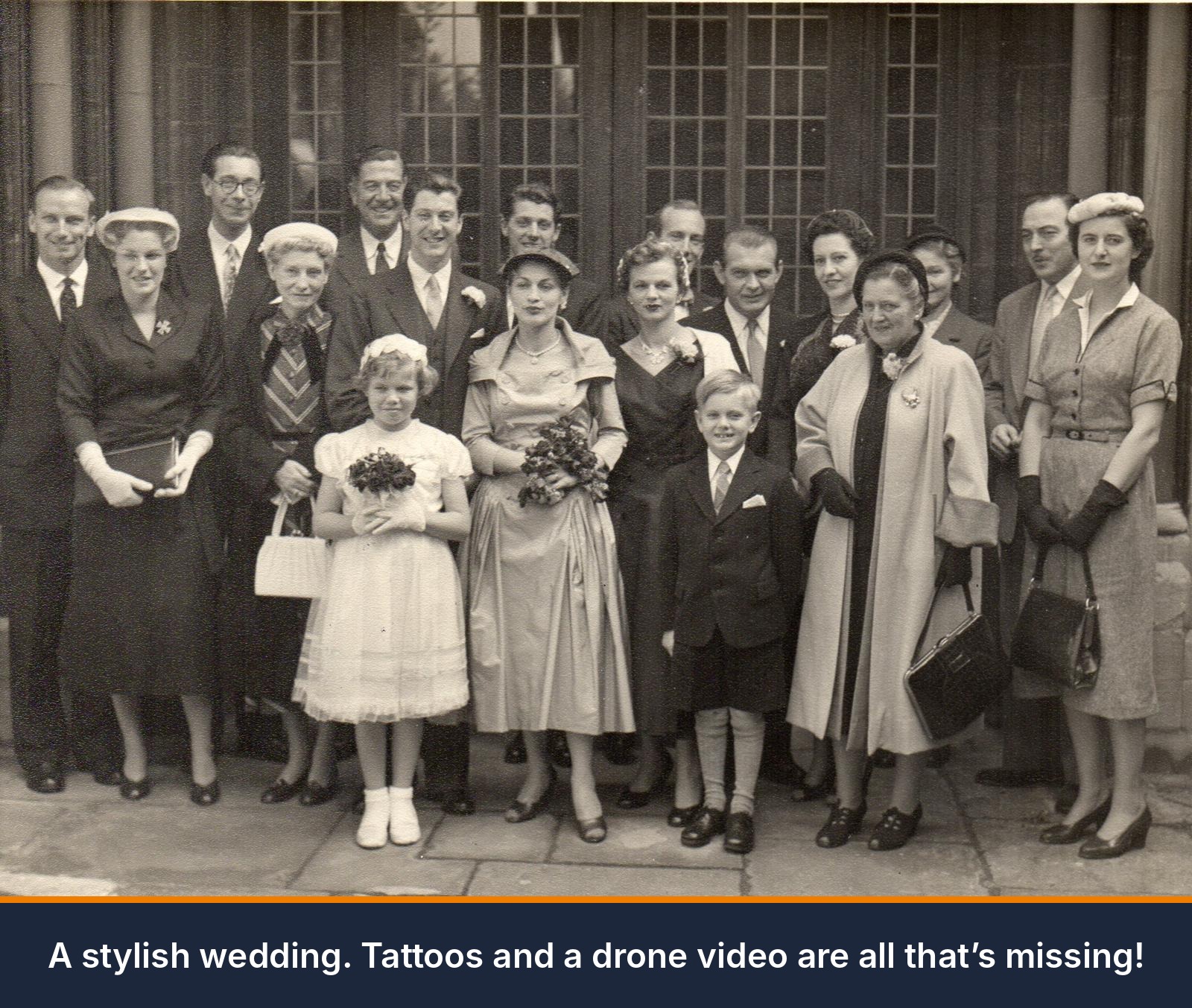
It’s a very fortunate (or especially entitled) few who can afford to take over a whole city for their nuptials. It does all smack a little of bridezilla. (We’re not thinking of anyone in particular.) For everyone else, a wedding is made in the details, and that is where small, unusual wedding businesses come in.
The market is big enough to support plenty of them. Around 265,000 couples marry in the UK each year, the average wedding cost £21,990 in 2025 according to Hitched, and wedding venues alone are worth an estimated £3.9 billion a year. Couples are spending more per guest and looking for something that feels personal, which is good news if you have a skill that makes a day memorable.
Here are ten unusual wedding business ideas, from the high-tech to the gloriously old-fashioned.
1. Drone filming and photography
Aerial shots of the venue, the confetti throw or the whole wedding party spelling out the couple’s initials on the lawn have gone from novelty to wish list. A drone operator can sell a short aerial film as an add-on to a photographer’s package, or team up with several photographers at once.
What you need: a good camera drone, registration with the Civil Aviation Authority (the rules tightened in January 2026), insurance, and a firm grasp of the CAA Drone Code on flying near people. Venues will ask to see all three.
2. 3D-printed cake toppers
The plastic bride and groom have had their day. Couples now want toppers that look like them: the right hairstyle, the dog, the tandem bicycle they got engaged on. With a 3D printer, some design software and a steady hand with paint, you can turn a couple of photos into a one-off keepsake.
What you need: a 3D printer, modelling skills, food-safe materials or a barrier between topper and icing, and an Etsy shop or website to take orders from across the country.
3. Flash tattoo bar
Temporary, of course. A flash tattoo bar gives guests a choice of small designs (the couple’s initials, the wedding date, a tiny cocktail glass) applied in minutes with stencils or high-quality transfers. It keeps people busy in the lull between the meal and the dancing, and it photographs brilliantly.
What you need: a portable set-up, a range of designs including some made to order for each couple, skin-safe products, and a cheerful manner with slightly merry guests.
4. Singing waiters and flash mobs
Nothing beats the moment the waiter topping up the wine bursts into song, followed by three colleagues. Surprise singing waiters are a well-kept secret between the couple and the venue, and the reactions are worth the fee. Flash mobs work the same way: a dance teacher rehearses the guests (or the bride’s rugby-playing brothers) in secret, and the first dance turns into a full routine.
What you need: performers who can act as convincingly as they sing, a repertoire that suits all ages, and a good relationship with venues, who need to be in on it.
5. Independent and humanist celebrant
More couples want a ceremony that is about them, written with them, and held wherever they choose. Celebrants lead personal, non-religious ceremonies, typically charging between £450 and £1,300. In Scotland and Northern Ireland, humanist weddings are legally recognised. In England and Wales they are not yet, so couples also need a short civil ceremony, but the government has committed to change the law, and it expects around 50,000 couples a year to choose a legal humanist wedding when it does.
What you need: training (Humanists UK trains and accredits its own celebrants), a gift for storytelling, and confidence speaking in front of a crowd.
6. Live wedding painter
A painter at an easel, capturing the ceremony or the first dance as it happens, is entertainment and a keepsake in one. Guests love watching the picture take shape, and the couple go home with an original painting rather than another photo album.
What you need: speed, confidence working in public, and a portfolio of past events. Calligraphers can offer a similar live service, writing place cards or personalised gift tags on the spot.
7. Wedding pet chaperone
Many couples want the dog in the photos, but not in charge of the rings for the whole day. A pet chaperone collects the dog, keeps it calm and groomed, delivers it for the ceremony and photos, and takes it home before the speeches. It is a lovely business for dog lovers, and word of mouth travels fast.
What you need: experience with animals, pet business insurance, a suitable vehicle, and a calm head when a spaniel spots the canapés.
8. Vow and speech writer
Writing vows or a best man’s speech is a daunting prospect for most people. A good writer listens to the stories, finds the funny and the tender, and shapes them into something that sounds like the person saying it. Sessions can run online, so clients can come from anywhere.
What you need: a strong ear for voice, discretion, and a few anonymised examples to show what you can do.
9. Calligrapher
Hand lettering has not gone out of fashion; if anything, it stands out more in a digital world. Invitations, envelopes, place cards, menus, seating plans and signs all benefit from a calligrapher’s touch, and many now sell digital designs that couples can print themselves.
What you need: practice, good materials, and a portfolio on Instagram or Pinterest, which is where many couples start looking.
10. Name-change service
After the confetti comes the paperwork. Changing a surname means updating a passport, driving licence, bank accounts, employer records, the GP, utilities and more. A name-change service gives newlyweds a checklist, the forms and a hand with the admin, for a fixed fee.
What you need: strong organisational skills, a clear understanding of what each organisation asks for, and careful handling of personal data.
Who runs the business while you’re at the wedding?
Wedding businesses share one problem: the busiest days are the ones when you can’t answer the phone. If you are flying a drone or painting a first dance every Saturday, new enquiries still arrive, and couples planning a wedding will happily ring the next name on the list.
That is where Get Ahead helps. Our telephone answering service answers your calls in your business name while you work, and our Virtual Experts can take on the bookings, invoices, social media and website updates, so your weekdays are free for the creative part. Check out the full breadth and depth of our services here.
We’d love to hear from you. Talk to your local Regional Director, or call 0330 223 7580.
Frequently asked questions
Can I start a wedding business from home?
Yes. Many of the ideas here, from cake toppers and calligraphy to vow writing and name-change services, can be run from home, with the event-day work done on location.
Do I need a licence to fly a drone at a wedding?
You need to register with the Civil Aviation Authority and follow its Drone Code, which sets rules on flying near people. Insurance is essential, and venues will usually ask to see it.
Is a humanist wedding legal in England?
Not yet. In England and Wales couples still need a civil ceremony as well, although the government has committed to change the law. Humanist weddings are already legal in Scotland, Northern Ireland, Jersey and Guernsey.
How much does the average UK wedding cost?
The average UK wedding cost £21,990 in 2025, according to Hitched. And (per Sonas Events) there are about 265,000 marriages a year in the UK!