Behind Every Seamless Event Is Ruthless Planning | Get Ahead
By Suzanne Evett
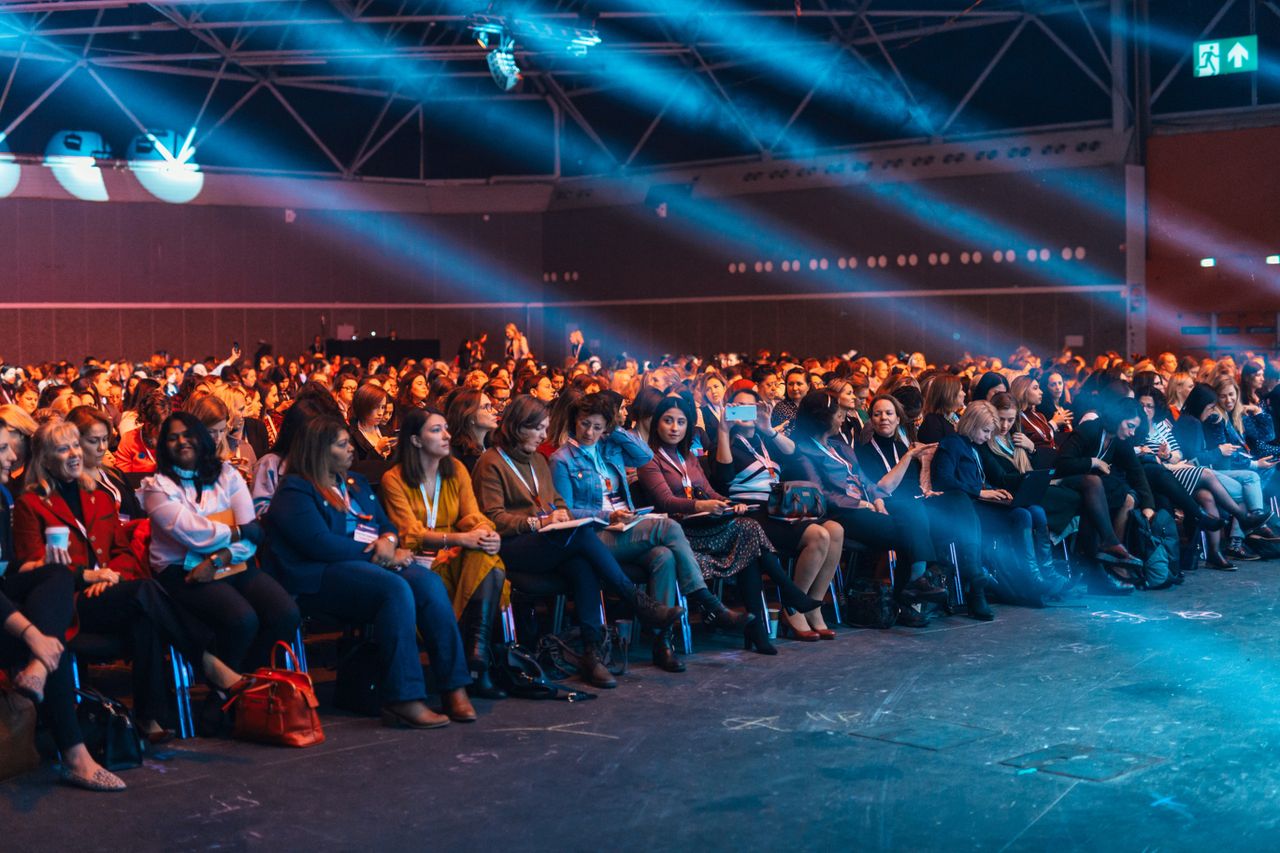
There is a moment at every event I run when I stop. Not because everything is done, but because everything that can be prepared has been prepared. From that point, my job is simply to watch, and to troubleshoot if something needs it. If I am running around, something has gone wrong.
That stillness is the product of weeks of work that nobody attending the event will ever see.
I have been running conferences and events for a long time, from one-day pitch events through to three-day residential programmes, in the UK and overseas. The thing I have learned, repeatedly, is that what makes an event feel effortless to the people attending it, is never actually effortlessness. It is structure. Structure built far enough in advance that by the time the doors open, every question that could have been asked has already been answered.
This is the first post in a series about what senior event management teaches you about running a business well. Not because events and business are the same, but because the operational disciplines overlap more than most people expect.
It is a bit like planning a wedding
The shape of event preparation is something most people recognise even if they have never organised one professionally. There is a lot to do at the beginning: agree dates, book a venue, find speakers, build a budget and try and think of all the logistics that will be needed. Then there is a quieter middle period, leading to the final few weeks where everything intensifies again.
Those last weeks are the hardest part of the whole process. Dietary requirements, accommodation logistics, which delegates are arriving on which day, whether a speaker is planning to update their slides at the last minute. The sheer density of detail is precisely why the planning that came before it matters so much. If the foundations are not solid, the final weeks break you.
The same shape applies to almost any significant business project. A product launch, a client proposal, a period of rapid growth. The visible work is at the end. The invisible work is what determines whether the visible work goes well.
Stop getting caught out by the same thing twice
Early in my events career, a venue asked me whether any of my delegates had access requirements. I had not thought to ask. I had to contact everyone again, after the fact, to find out.
That has not happened twice.
Now I use proforma logistics emails for every category of attendee: speakers, session chairs, exhibitors, delegates. They have been created over years, refined every time I was caught out by something I had not anticipated. Whatever event I am running, I adapt them. But the foundations are already there, because I built them once and I maintain them.
The same principle applies to anything that gets handled on the fly when it should not be. For the first two years I ran events, I managed the microphone logistics in my head, allocating mics as I went. Then I asked myself why I had not simply written a one-page mic and speaker plan and handed it to the AV team at seven in the morning. I did. They never need to ask me anything about it again. They know exactly what they are doing. So do I.
The goal is not more process for its own sake. It is to remove yourself as a bottleneck. When everyone on site has the information they need to do their job, you are free to do yours.
Walk the journey before anyone else does
One of the first things I think about for any event is not the programme or the venue layout. It is the experience of arriving.
If someone is flying in from the United States to a venue in rural Cambridgeshire, they need to know which station to use, which taxi firms operate in the area, and whether there is anywhere nearby to eat the night before the event starts. None of that appears in the conference agenda. None of it is particularly interesting. All of it matters to the person arriving.
I put this into a single page of local information that goes to every delegate in advance. It answers the questions before they are asked, which means nobody arrives flustered, and I do not spend the morning helping people stuck at a rural station unable to get a taxi that needed to be pre-booked.
Thinking about your customers’ experience from their perspective, not yours, is one of the most useful habits senior event management creates. What do they need to know, and when do they need to know it? Not what is convenient for you to send.
The contingency you never have to use
A few years ago I was running a two-day event at a science park. There was a pre-event drinks reception the evening before, and the only realistic dinner option locally was a small village pub. Seventy-five delegates, one pub, no advance notice: a problem waiting to happen.
Before the event, I contacted the pub. I explained the situation, negotiated a simplified menu they could manage at short notice, and made sure I was there on the night to manage the flow. The first year, sixty-five people turned up for dinner. The pub coped. None of the delegates had any idea there had been a plan behind it.
That arrangement is now a fixture of the event’s annual programme. We have a standing relationship with the pub. Guests assume it was always that easy.
Operational planning is, in large part, the work of finding the single points of failure in advance and quietly defusing them. Not every contingency gets triggered. The ones that do not are the ones you planned for.
On the day, your only job is to do nothing
This is the principle I come back to more than any other, and the one that most surprises people when I talk about it.
When an event is running well, I am not busy. I am present, attentive, and available. I carry one folder with me throughout: the full delegate list, all dietary and accommodation details, and a supply of blank Post-it notes. If something needs my attention while I am in the middle of something else, I write it on a Post-it and come back to it at the next natural break. Nothing gets forgotten. Nothing interrupts the flow of what is happening around me.
This is not a relaxed state. It is a deliberate one. Every task I assign to myself on the day is a task I cannot drop if something more urgent arises. So I assign myself none. The event organiser is not there to man a desk, set out chairs, or manage the registration queue. Those things need to have been handled, or delegated, before the day starts.
If I am running around, the planning was not thorough enough.
What this means if you are running a business
I am not suggesting that running an owner-led business is the same as running a conference. It is not.
But the underlying discipline is transferable. The businesses I work with often carry more operational detail in their heads than they realise, make decisions on the fly that could have been systematised, and arrive at conversations underprepared because the preparation felt disproportionate to the task. It never is.
Operational rigour is not bureaucracy. It is the thing that protects you when something unexpected happens, and something unexpected always happens. It is also, done well, the thing that lets you be calm when it does, because you have already done the thinking.
The next three posts in this series go further: into how to delegate without losing control, into the post-project review most businesses skip, and into what all of this means for growing a business with the right people around you. But it starts here, with the planning nobody sees.
About the Author

Suzanne Evett is Regional Director for Get Ahead Berkshire. She works with growing businesses across the region, providing flexible, expert business support through Get Ahead’s network of Virtual Experts. She has spent many years running complex events for organisations in the pharmaceutical and scientific sectors, alongside building her own business.
Read more about Suzanne here.